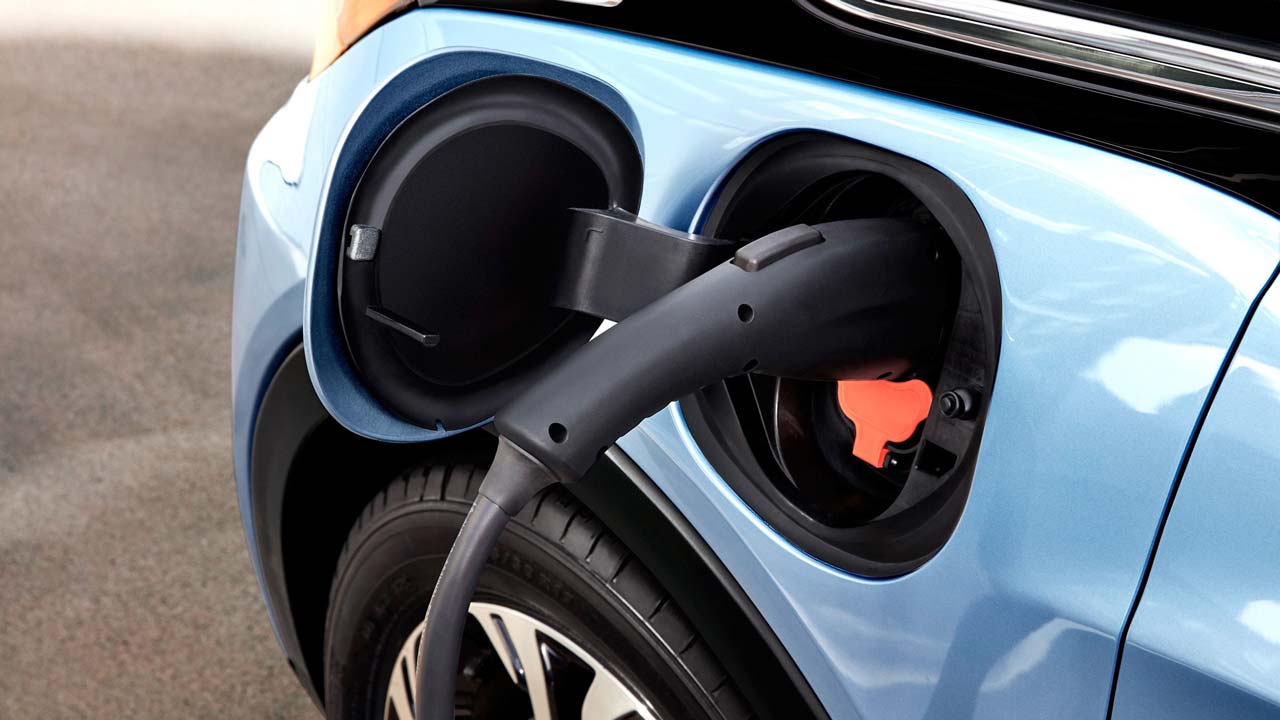
Electric Vehicles: The Future of Transportation in Nigeria
Discover how electric vehicles are transforming transportation, their benefits, challenges, charging requirements, running costs, and why EVs could become increasingly important in Nigeria.
Electric Vehicles: The Future of Transportation in Nigeria
The global automotive industry is undergoing one of its biggest transformations in more than a century. Electric vehicles (EVs) are changing the way people think about transportation, fuel consumption, vehicle maintenance, and environmental sustainability.
Unlike conventional vehicles that rely primarily on petrol or diesel engines, electric vehicles use electric motors powered by rechargeable batteries. As battery technology continues to improve and charging infrastructure expands, electric vehicles are becoming a practical option for individuals, businesses, and organizations around the world.
For Nigeria and other African countries, the transition to electric mobility presents both opportunities and challenges. Understanding how EVs work, their benefits, operating costs, and charging requirements can help consumers make informed decisions about adopting this emerging technology.
## What Is an Electric Vehicle?
An electric vehicle is a vehicle that uses electricity to power one or more electric motors. Instead of burning petrol or diesel to generate power, a fully electric vehicle draws energy from a rechargeable battery pack.
The battery stores electrical energy, which is supplied to the electric motor when the vehicle is being driven. The motor then converts that electrical energy into mechanical energy that turns the wheels.
There are several types of electrified vehicles, including:
### 1. Battery Electric Vehicles (BEVs)
Battery Electric Vehicles run entirely on electricity. They do not have a conventional petrol or diesel engine.
BEVs must be charged using an external electricity source and are currently the most recognizable type of fully electric vehicle.
### 2. Plug-in Hybrid Electric Vehicles (PHEVs)
Plug-in hybrid vehicles combine an electric motor and battery with an internal combustion engine. The battery can be charged externally, allowing the vehicle to operate on electric power for shorter journeys before the petrol or diesel engine takes over.
### 3. Hybrid Electric Vehicles (HEVs)
Traditional hybrid vehicles also combine an internal combustion engine with an electric motor. However, unlike plug-in hybrids, they generally cannot be charged using an external charger. Their batteries are charged through regenerative braking and the vehicle's engine.
## How Do Electric Vehicles Work?
The basic operation of an electric vehicle is relatively straightforward.
When the driver presses the accelerator, electrical energy stored in the battery is delivered to the electric motor through an electronic control system. The motor converts the electrical energy into rotational force, which drives the wheels.
Major components of a typical electric vehicle include:
* Battery pack
* Electric motor
* Inverter
* On-board charger
* Charging port
* Battery management system
* Power electronics
* Regenerative braking system
* Vehicle control systems
One major difference between an EV and a conventional vehicle is the number of moving mechanical components. Electric drivetrains generally have fewer moving parts, which can reduce mechanical complexity and certain maintenance requirements.
## Benefits of Electric Vehicles
Electric vehicles offer several advantages that are attracting consumers and businesses worldwide.
### Lower Energy Costs
Electricity can cost less per kilometre than petrol or diesel, depending on electricity prices, vehicle efficiency, charging method, and driving conditions.
For drivers who cover significant distances, the difference in energy costs can become an important part of the overall cost of vehicle ownership.
### Reduced Maintenance
Electric vehicles generally have fewer moving components than conventional internal combustion engine vehicles.
A fully electric vehicle does not require many of the maintenance procedures associated with petrol or diesel engines, such as engine oil changes, spark plug replacement, fuel filter replacement, or exhaust system maintenance.
EVs still require maintenance. Tires, brakes, suspension components, cooling systems, battery systems, and other components must still be inspected and serviced.
### Quiet Operation
Electric motors operate much more quietly than conventional combustion engines. This can result in a quieter and more comfortable driving experience.
The reduction in engine noise can also contribute to lower noise pollution in urban environments.
### Instant Torque
Electric motors can deliver substantial torque almost immediately. This gives many electric vehicles quick acceleration from a standstill.
This characteristic is one reason why modern EVs can provide a responsive and enjoyable driving experience.
### Reduced Tailpipe Emissions
Fully electric vehicles do not produce exhaust emissions from a petrol or diesel engine while driving.
However, the overall environmental impact of an EV also depends on factors such as how the electricity used for charging is generated and how the vehicle's battery is manufactured and eventually recycled.
## Electric Vehicles and Nigeria
Nigeria has a growing interest in electric mobility. Rising fuel costs, interest in energy efficiency, technological development, and increasing awareness of environmental issues are encouraging more people and businesses to consider alternatives to conventional vehicles.
However, the Nigerian EV market has unique considerations.
One of the most important is electricity availability.
An electric vehicle needs access to reliable charging. For homeowners and businesses, installing an appropriate charging solution can make EV ownership significantly more convenient.
Solar energy can also play an important role. A properly designed solar and battery system can potentially provide an additional source of electricity for EV charging, particularly for homes and businesses looking to reduce dependence on the conventional electricity grid.
## EV Charging Explained
Charging an electric vehicle is similar in principle to charging other rechargeable electronic devices, although EVs require significantly more electrical energy.
Charging solutions are commonly categorized into different levels based on their electrical power and charging speed.
### Home Charging
Home charging can be a convenient option for EV owners. A vehicle can be connected after returning home and charged overnight or during periods when electricity is available.
For many users, overnight charging can provide enough energy for their daily driving requirements.
### AC Charging
AC charging is commonly used for homes, offices, commercial locations, and public charging stations.
The vehicle's onboard charger converts the incoming AC electricity into the DC electricity required by the battery.
### DC Fast Charging
DC fast chargers supply direct current to the vehicle's battery system, allowing significantly faster charging than typical AC charging.
These chargers are particularly useful for public charging stations, long-distance travel, commercial fleets, and situations where drivers need to recharge quickly.
Charging speed depends on several factors, including the charger's power rating, the vehicle's maximum charging capability, battery temperature, battery state of charge, and other vehicle-specific conditions.
## How Much Does It Cost to Run an EV?
The cost of operating an electric vehicle depends on several factors.
These include:
* Electricity cost
* Vehicle battery capacity
* Vehicle efficiency
* Driving distance
* Charging losses
* Charging method
* Maintenance requirements
* Driving conditions
For example, a vehicle that consumes 15 kWh per 100 kilometres will require approximately 15 kWh of electricity to travel that distance under the relevant test or driving conditions.
To estimate charging costs, the basic calculation is:
**Charging Cost = Electricity Used × Electricity Price**
However, actual electricity consumption can vary depending on speed, traffic, weather, road conditions, vehicle load, tire pressure, and driving style.
## Are Electric Vehicles Suitable for Long-Distance Travel?
Modern electric vehicles are increasingly capable of long-distance travel, with some models offering substantial driving ranges on a single charge.
However, range should not be considered in isolation.
A driver planning a long journey should also consider the availability and location of charging stations along the route.
For Nigerian drivers, charging infrastructure is therefore an important part of EV adoption. As more charging stations become available across major cities and highways, long-distance EV travel is likely to become easier.
## Common Misconceptions About Electric Vehicles
Despite their growing popularity, several misconceptions about EVs remain.
### "EV Batteries Need to Be Replaced Frequently"
Modern EV batteries are designed to operate for many years. Battery longevity depends on factors such as battery chemistry, charging practices, temperature, usage, and vehicle design.
Battery performance can gradually decline over time, but this does not necessarily mean the battery suddenly stops working.
### "Electric Vehicles Require No Maintenance"
EVs require less mechanical maintenance than many conventional vehicles, but they are not maintenance-free.
Tires, brakes, suspension, cooling systems, electrical components, and other systems still require inspection and maintenance.
### "EVs Are Only for Personal Cars"
Electric mobility extends beyond private passenger vehicles.
Electric technology is increasingly being considered for:
* Commercial vehicles
* Delivery vehicles
* Buses
* Taxis
* Fleet vehicles
* Motorcycles
* Three-wheelers
* Utility vehicles
For businesses that operate fleets, the potential reduction in fuel and maintenance costs can make electric mobility particularly interesting.
## The Future of Electric Mobility
The future of transportation is likely to involve a mixture of technologies rather than one single solution.
Battery technology is improving, charging networks are expanding, and vehicle manufacturers are introducing more electric models across different price categories.
At the same time, governments, energy companies, technology providers, businesses, and consumers will all have important roles to play in developing the infrastructure required for widespread EV adoption.
Nigeria has significant potential in this emerging market. The combination of electric vehicles, renewable energy, battery storage, smart charging, and digital technology could create new opportunities across transportation and energy.
## Should You Consider Buying an Electric Vehicle?
Before purchasing an EV, prospective buyers should consider more than just the vehicle's purchase price.
Important questions include:
* What is the vehicle's real-world driving range?
* Where will the vehicle normally be charged?
* Is home charging possible?
* What charging equipment is required?
* How much electricity does the vehicle consume?
* What is the availability of spare parts and technical support?
* What warranty is provided for the battery and vehicle?
* How suitable is the vehicle for local road and driving conditions?
* What will the total cost of ownership be over several years?
A good EV purchase decision should consider the vehicle's total cost of ownership rather than focusing only on the initial purchase price.
## Conclusion
Electric vehicles represent an important development in the future of transportation. Their combination of electric propulsion, lower mechanical complexity, quiet operation, and potential energy-cost savings makes them an increasingly attractive alternative to conventional petrol and diesel vehicles.
For Nigeria, the transition to electric mobility will depend not only on the availability of EVs but also on reliable electricity, charging infrastructure, technical expertise, financing options, and consumer awareness.
As technology continues to develop, electric vehicles are likely to become an increasingly important part of Nigeria's transportation landscape.
For consumers and businesses considering the transition, now is an excellent time to learn about electric vehicles, understand their operating requirements, and evaluate how electric mobility can fit into their transportation needs.